Customer Acquisition Cost: The Complete Guide to CAC for Advertisers
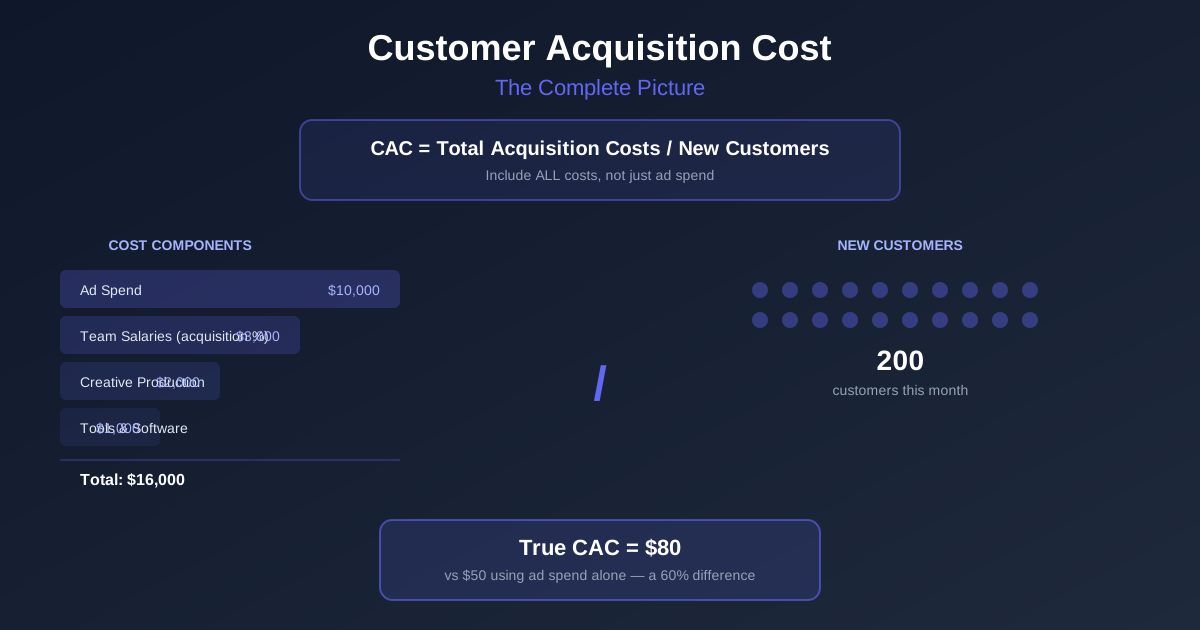
Reconcile full acquisition costs and unique new customers, model contribution payback with churn and apply a cash-constrained campaign ceiling.
Expert insights on AI marketing, Meta Ads automation, and growth strategies for modern businesses
Reconcile full acquisition costs and unique new customers, model contribution payback with churn and apply a cash-constrained campaign ceiling.
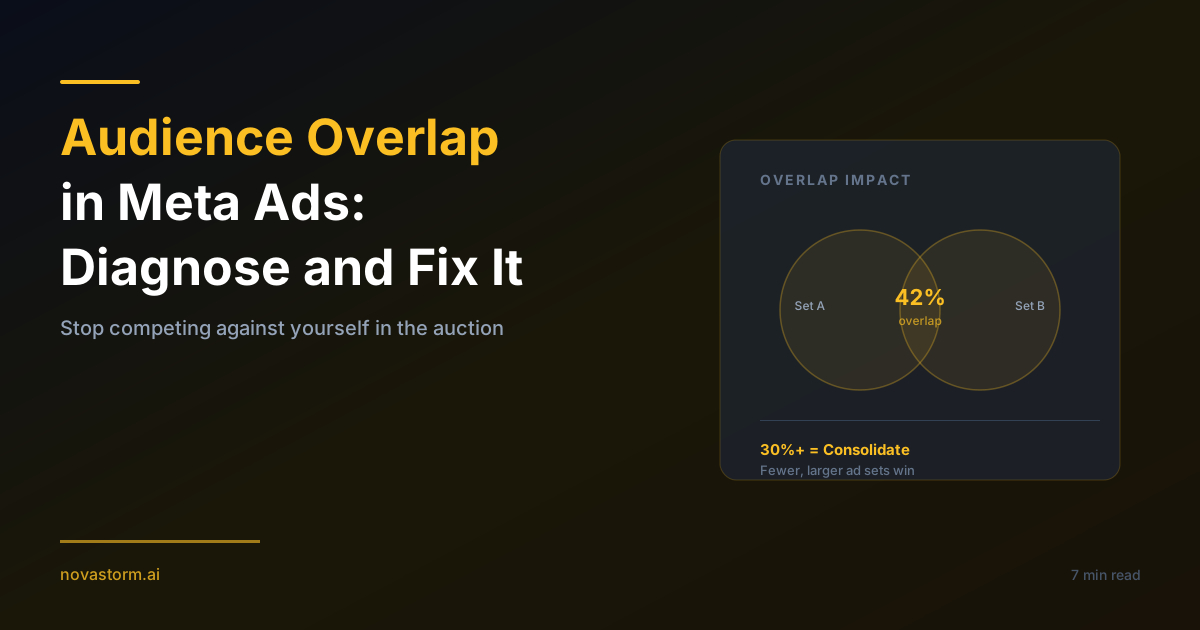
Diagnose overlapping Meta audiences as a structure and evidence problem, then test consolidation while preserving commercial boundaries.
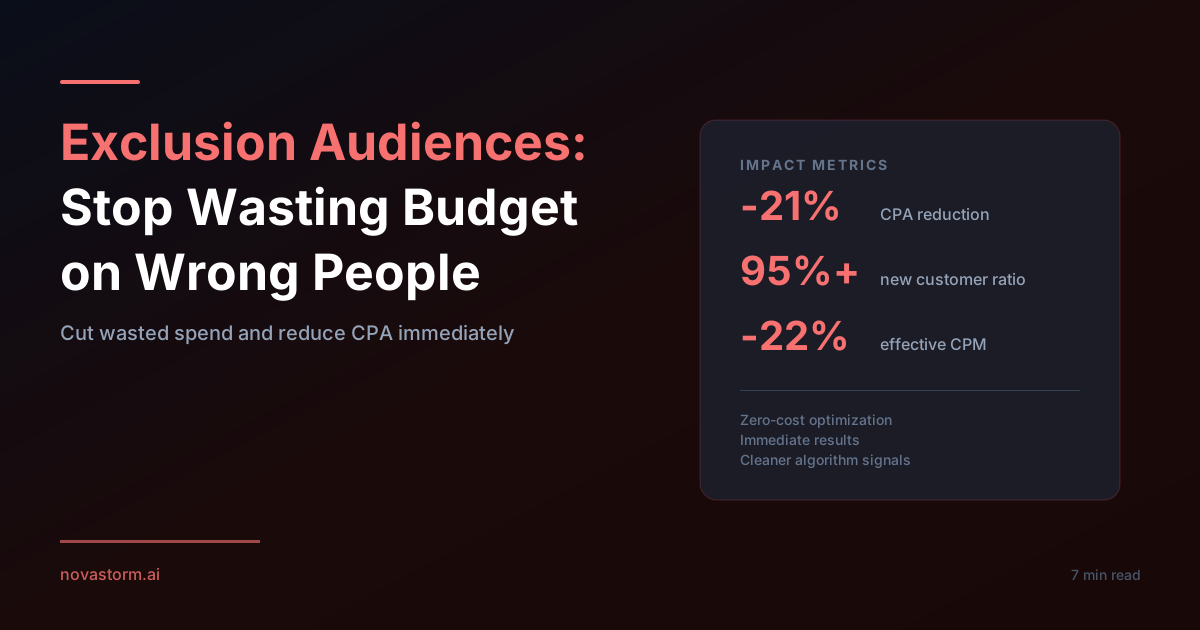
Choose buyer suppression windows from repurchase behavior, verify saved exclusions and measure new-customer outcomes without promising CPA gains.
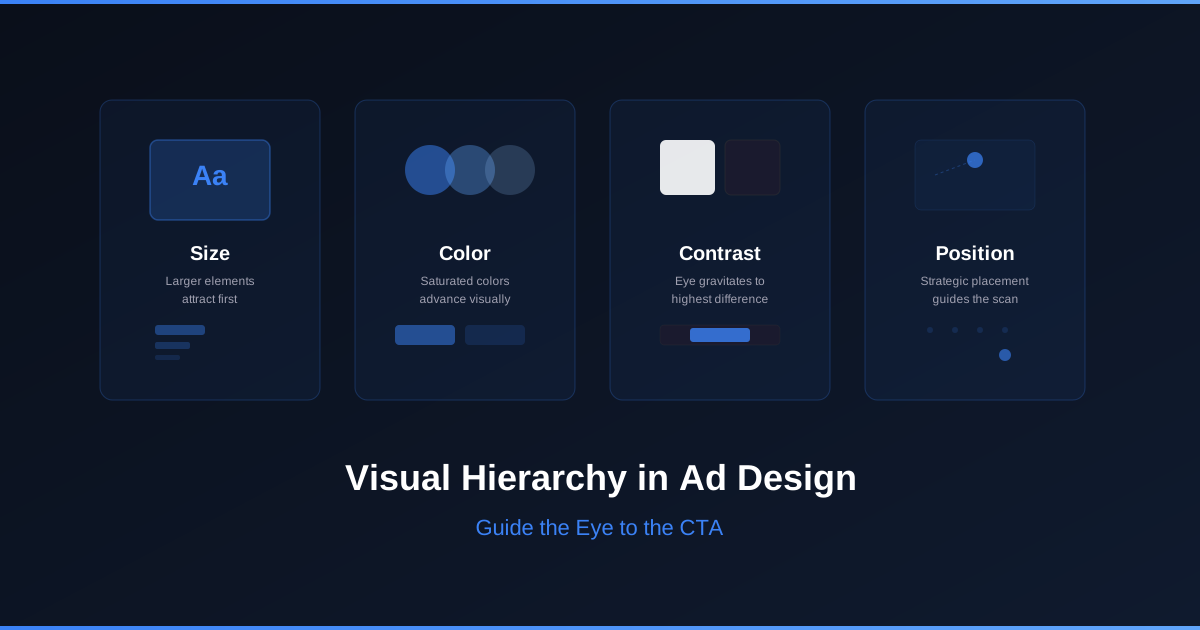
Specify a readable ad layout at its displayed mobile scale, measure text contrast and test one hierarchy change against mature acquisition cost.
Turn a visual attention idea into one honest creative hypothesis; compare mature purchase cost without claiming neuroscience or guaranteed sales.
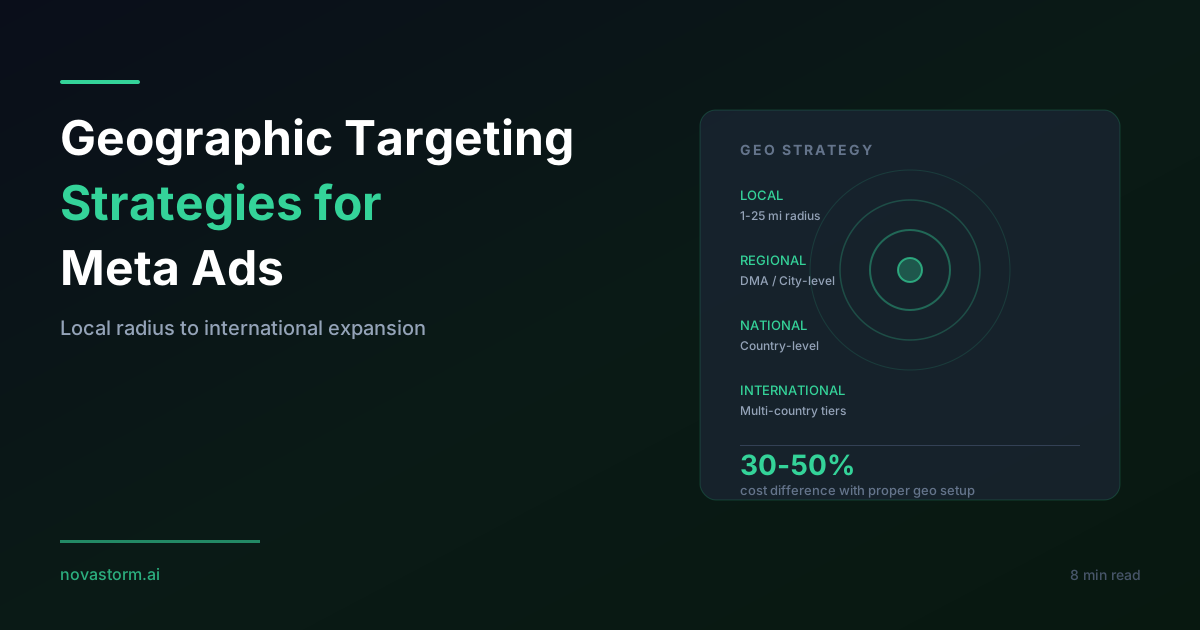
Plan local and international Meta audiences from service coverage, market contribution and a two-market localization worksheet.
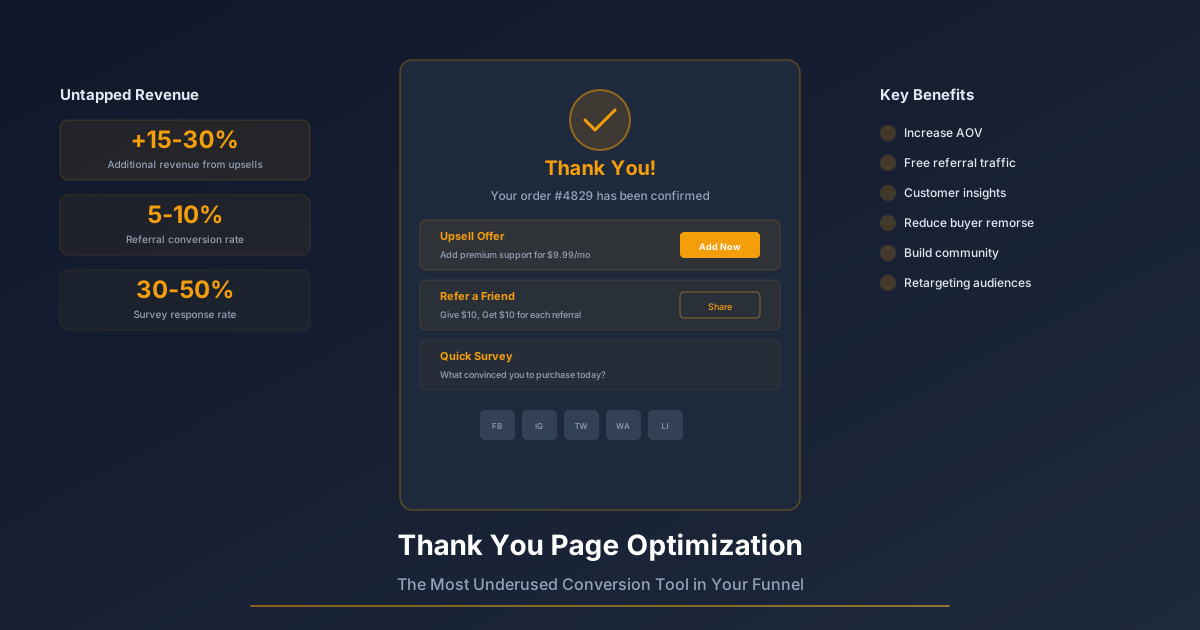
Design confirmation messages from verified lead and payment states; prevent duplicate purchases and make optional add-ons and surveys explicit.
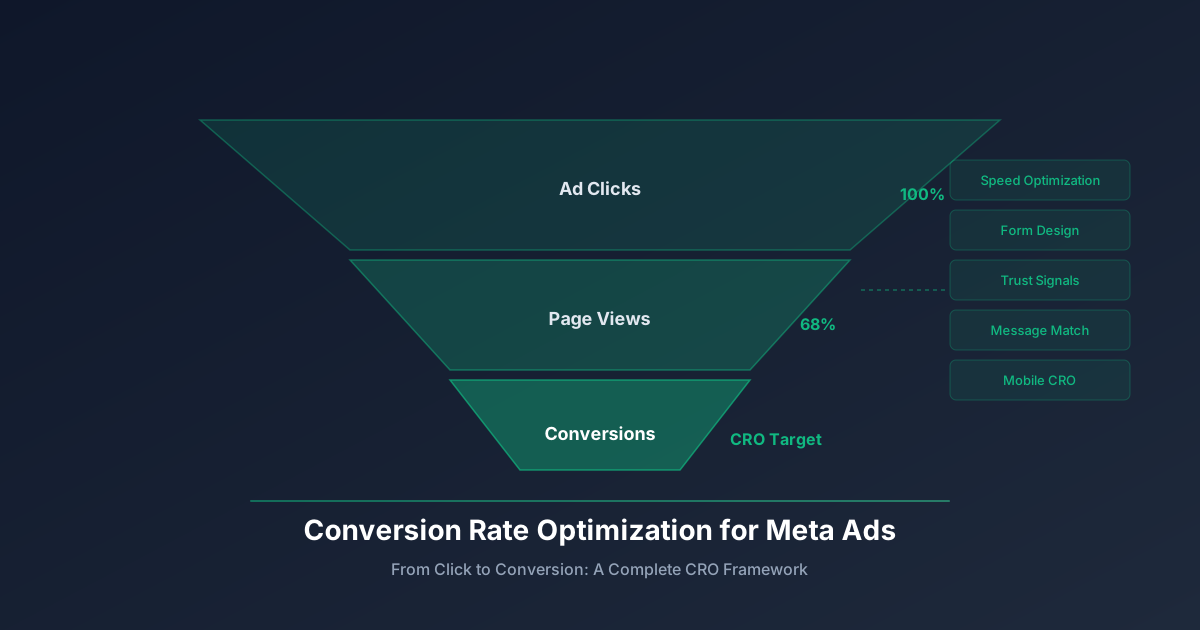
Turn CRO observations into an owned backlog, reproduce mobile defects and separate repair acceptance from a controlled conversion hypothesis.
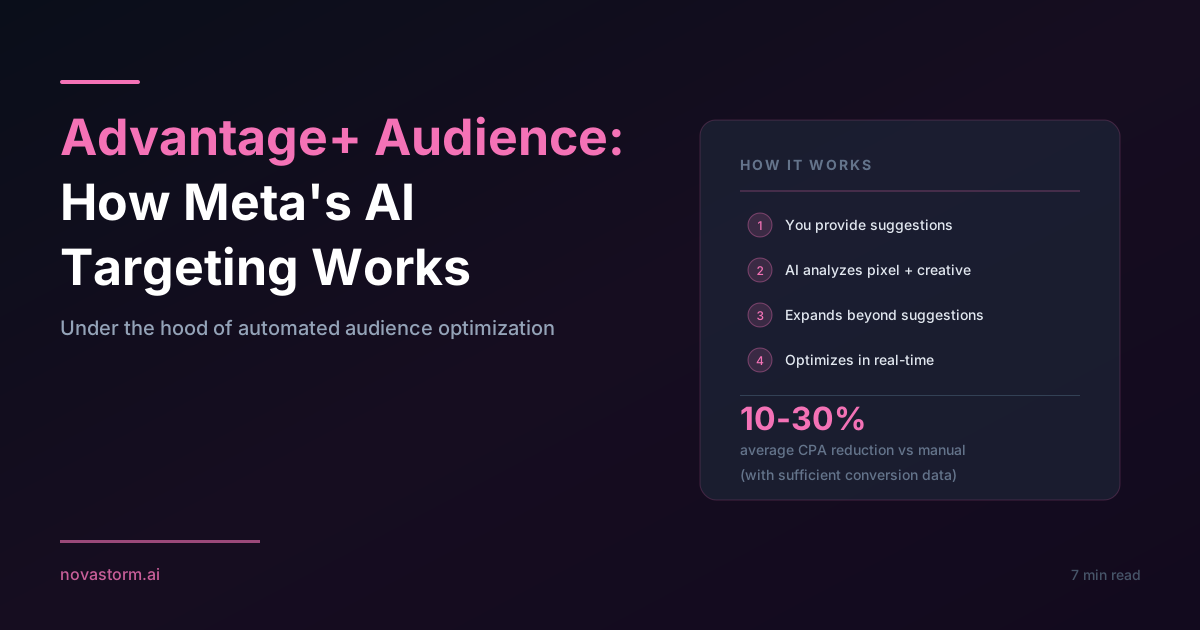
Distinguish audience suggestions from enforceable controls, document saved settings and stop publication when eligibility cannot be enforced.
Assign orders and refunds to first-payment cohorts, measure source coverage and compare equal-age contribution before estimating acquisition payback.
Calculate a contribution-based CPA ceiling and ROAS target, then stress-test refunds, delivery, new-customer mix and mature campaign costs.
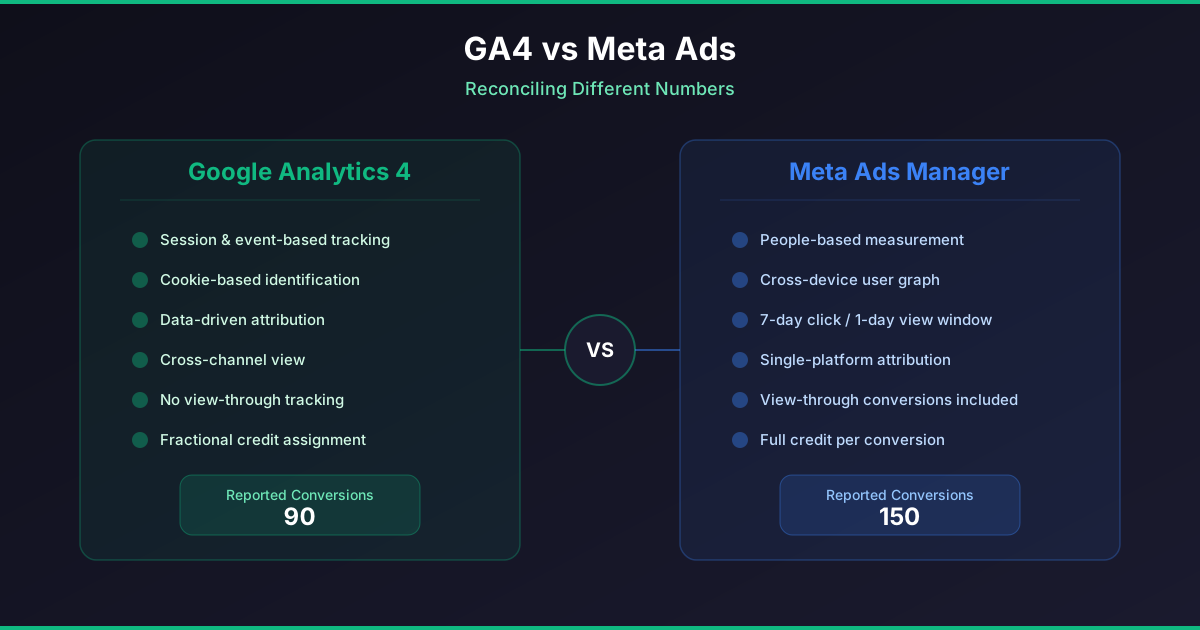
Reconcile paid orders, refunds, collected events and channel credit in GA4 and Meta; use scoped local attribution tests and release acceptance checks.
414 articles