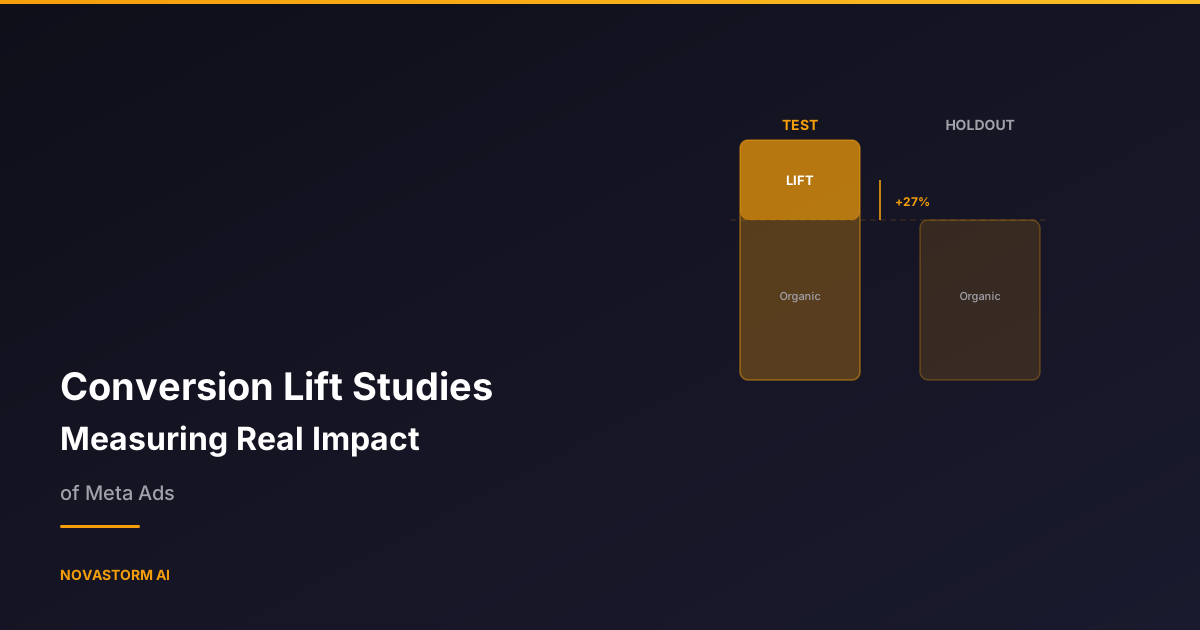
conversion liftmeasurementMeta Ads
Conversion Lift Studies: Measuring Real Impact of Meta Ads
Normalize unequal holdout groups, calculate incremental conversions and revenue, and interpret uncertain lift before changing the budget.
Feb 23, 20264 min


Expert insights on AI marketing, Meta Ads automation, and growth strategies for modern businesses
Normalize unequal holdout groups, calculate incremental conversions and revenue, and interpret uncertain lift before changing the budget.

Diagnose a high Meta CPM with observable auction, audience, creative and event evidence, then test one bounded hypothesis.
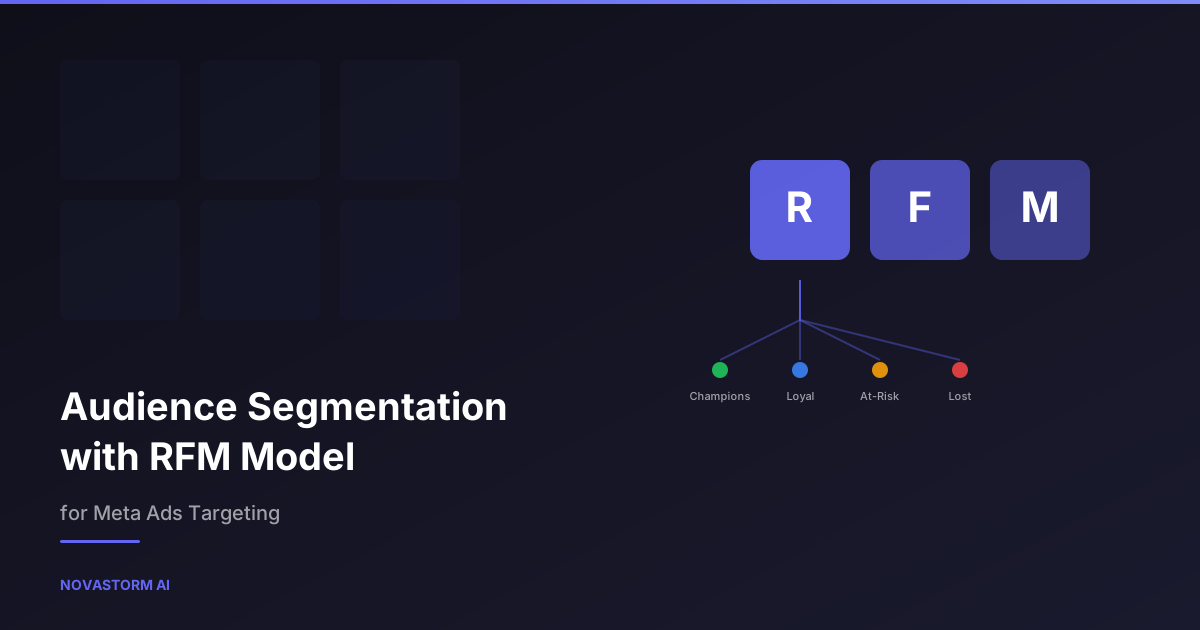
Calculate RFM from cleaned transactions, apply one reproducible scoring rule, export exclusive segments and test their future contribution.

Prepare aligned weekly data for MMM, inspect identification and calibration, and turn uncertain model scenarios into a contribution-based budget memo.

Build a dated morning report, separate urgent delivery incidents from immature performance, and assign approval and escalation owners.
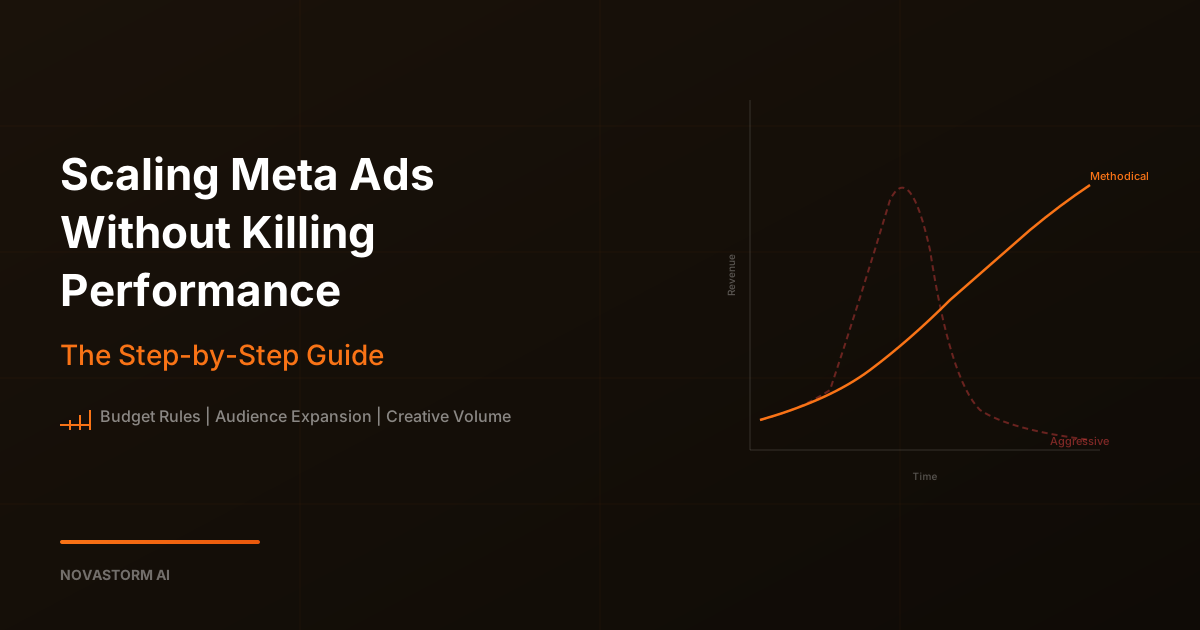
Review a bounded Meta budget increase with actual spending, refunds, delayed orders, marginal cost and user-approved campaign fields.
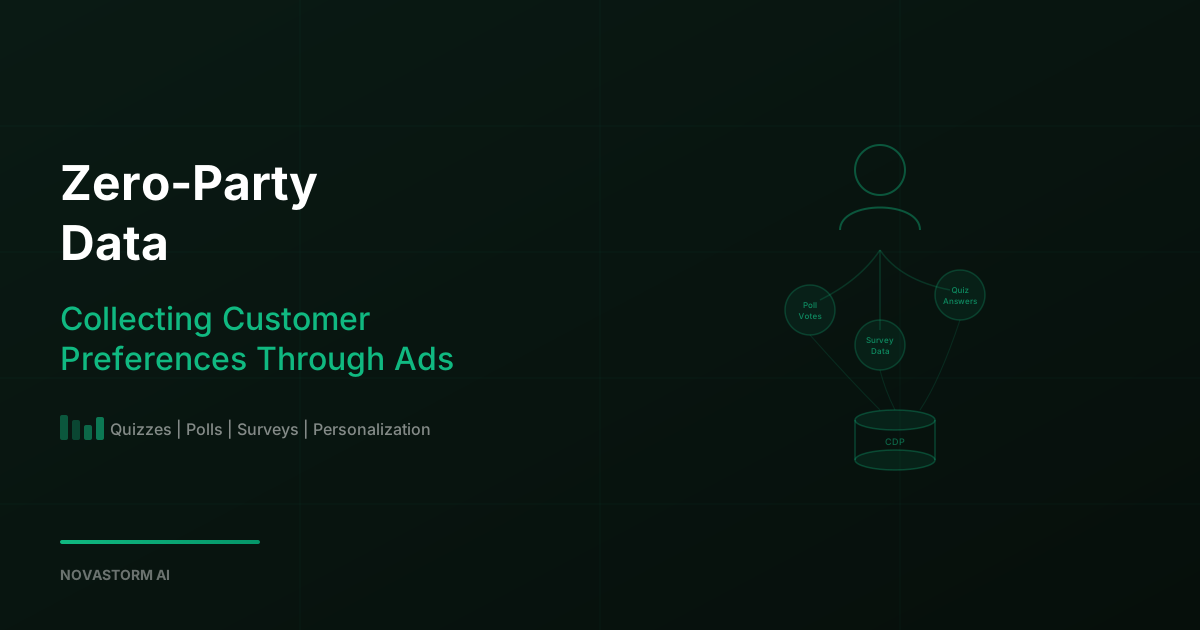
Collect useful declared preferences with clear permission records, refresh stale answers, and test an offer against contribution rather than engagement promises.

Investigate suspicious Meta traffic with comparable measurements, privacy-safe evidence and verified verification-tool scope.

Build a capped startup Meta Ads test with contribution sensitivity, a fictional acceptance journal, maturity checks and a paused campaign brief.
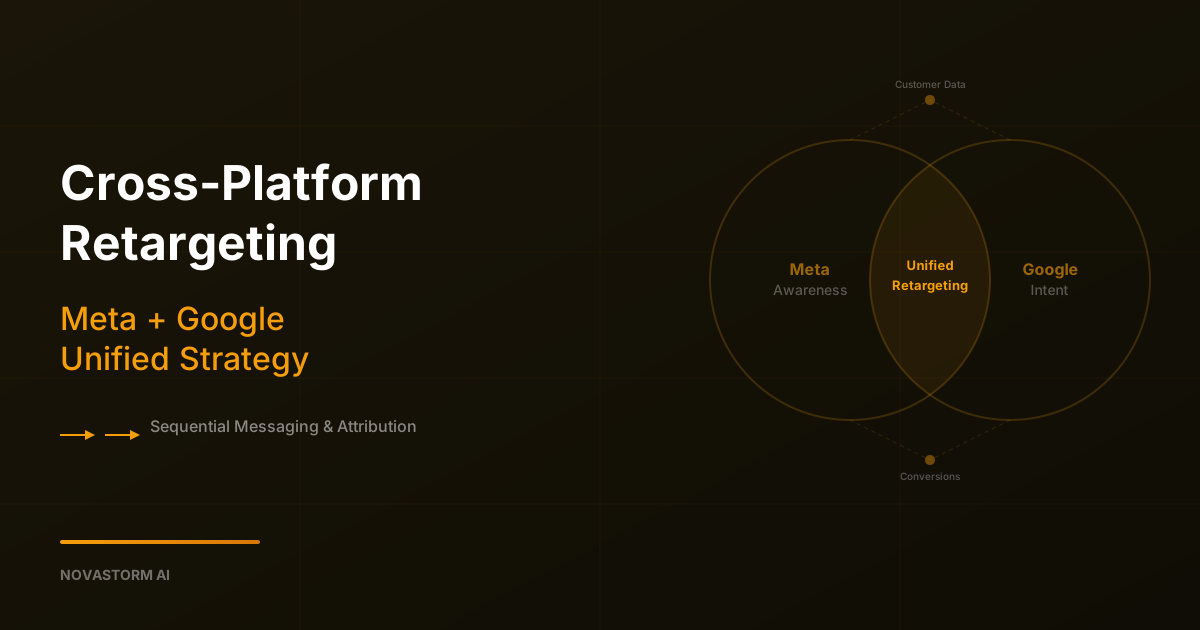
Coordinate Meta and Google retargeting messages with permission-aware segment records, visible sync failures and separately tested incremental outcomes.
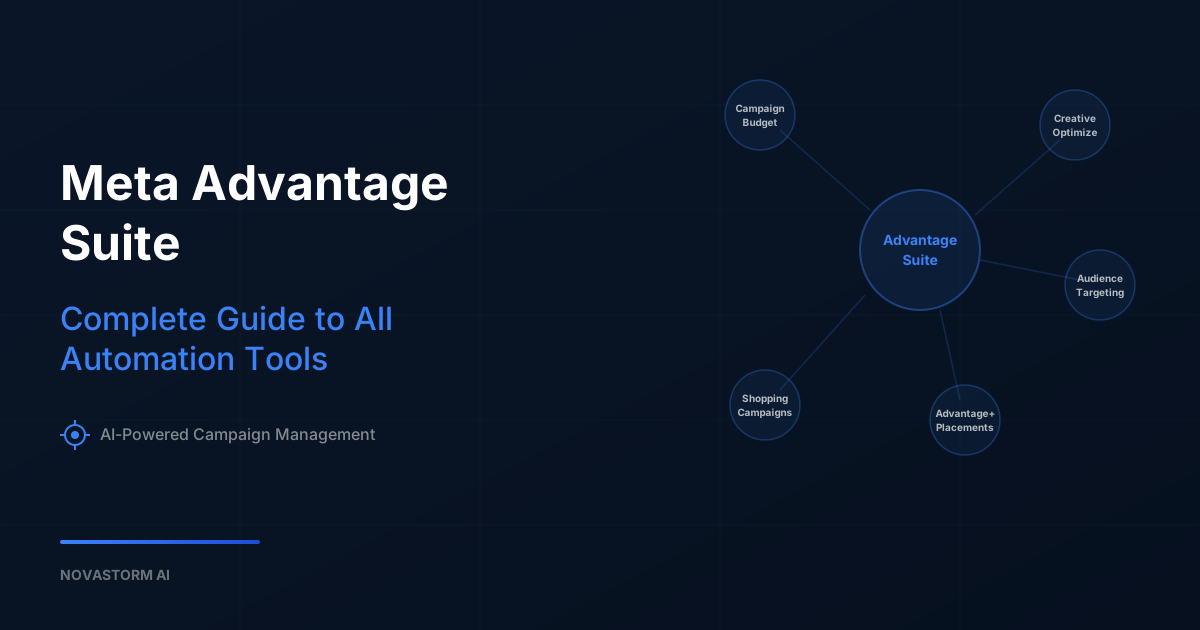
Review Advantage automation by objective, actual controls, spending limits and creative approval rather than universal conversion thresholds.

Plan restricted Meta measurement with dated browser evidence, consent and event deduplication tests, and a campaign brief with business boundaries.
414 articles