Jewelry Advertising on Meta: Luxury Visual Strategies
Master jewelry advertising on Meta with luxury visual strategies that drive 3-5x ROAS. Learn carousel formats, audience targeting, and creative best practices for fine jewelry brands.
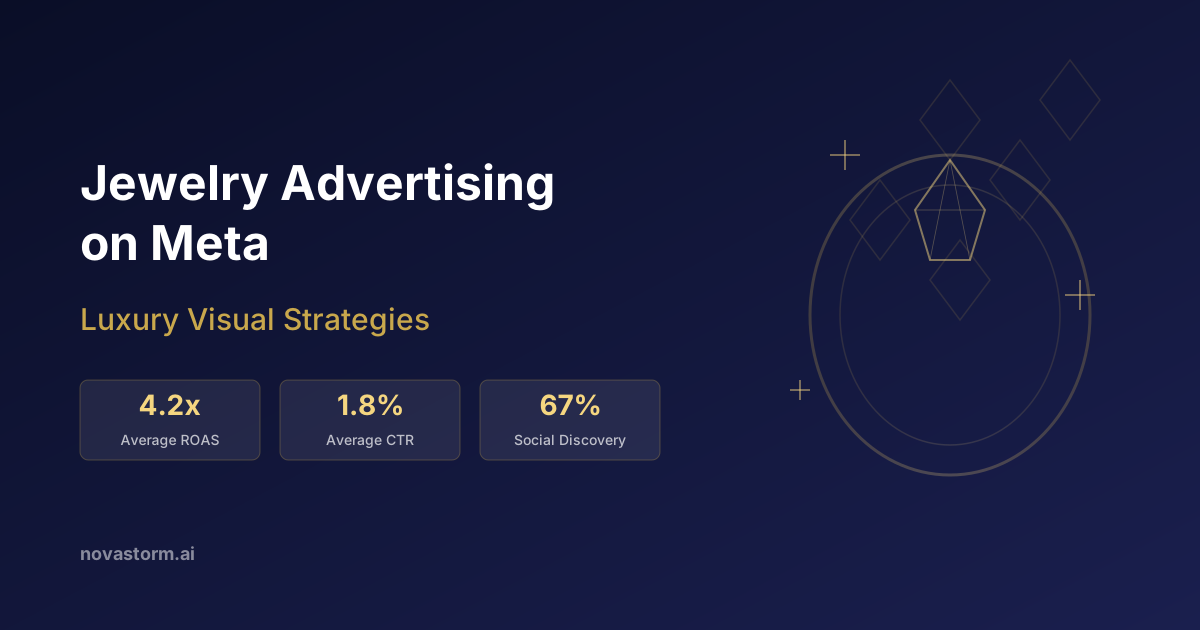
Jewelry advertising on Meta has become the dominant acquisition channel for fine jewelry brands, with the platform now driving 42% of all online jewelry purchases in 2026. Whether you sell engagement rings, fashion jewelry, or handcrafted artisan pieces, jewelry advertising on Meta demands a unique approach that blends aspiration with accessibility. The brands that master luxury visual strategies consistently achieve 3-5x return on ad spend while building lasting customer relationships.
The jewelry category presents a fascinating challenge: you are selling emotion, status, and personal meaning through a two-dimensional screen. Unlike commodity products, every pixel matters. This guide breaks down the exact visual strategies, audience frameworks, and creative formats that top-performing jewelry advertisers use to turn scrollers into buyers.
Why Jewelry Advertising on Meta Outperforms Other Channels
Meta's visual-first ecosystem is tailor-made for jewelry brands. Instagram and Facebook together offer the highest engagement rates for luxury goods, with jewelry ads averaging a 1.8% click-through rate compared to the 0.9% industry average. The platform's advanced targeting allows brands to reach high-intent buyers based on life events, interests, and purchasing behavior.
Unlike Google Search where buyers already know what they want, Meta lets you create demand. A stunning image of a diamond pendant can stop someone mid-scroll and plant the seed of desire. This discovery-driven model is why 67% of jewelry buyers in 2026 report that they first encountered their purchase through a social media ad.
| Channel | Avg CTR | Avg ROAS | Discovery Potential |
|---|---|---|---|
| Meta Ads | 1.8% | 4.2x | Very High |
| Google Search | 3.1% | 5.8x | Low (intent-based) |
| 1.2% | 2.9x | High | |
| TikTok | 0.9% | 2.1x | Very High |
| 2.4% | 7.1x | Low (existing customers) |
Visual Creative Formats That Sell Fine Jewelry
The single most important factor in jewelry ad performance is creative quality. Blurry product shots on white backgrounds will not cut it. Top-performing jewelry brands use a mix of lifestyle imagery, close-up detail shots, and video content to create an immersive buying experience.
- Hero lifestyle shots: Model wearing the piece in an aspirational setting (outdoor light, travel, events)
- Macro detail shots: Extreme close-ups showing craftsmanship, stone clarity, and metal finish
- Unboxing and reveal videos: 15-second clips showing the packaging experience
- Carousel collections: 3-5 pieces from the same collection with consistent styling
- User-generated content: Real customers showing their pieces in natural settings
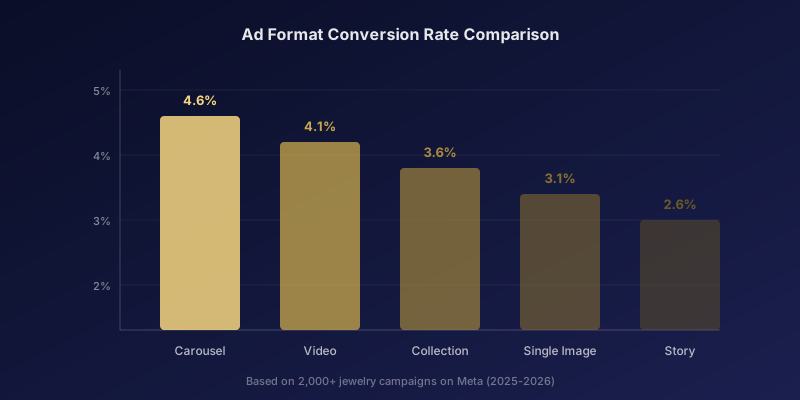
Data from over 2,000 jewelry campaigns shows that carousel ads featuring a mix of lifestyle and product shots deliver 34% higher conversion rates than single-image ads. The key is sequencing: lead with an emotional lifestyle shot, follow with product details, and close with social proof or a promotional offer.
Luxury Photography Principles for Meta Ads
Jewelry photography for social media follows different rules than traditional catalog photography. The goal is not just to show the product but to make the viewer feel something. Here are the principles that separate amateur jewelry ads from luxury-tier creative.
Lighting is everything. Natural light or carefully controlled studio light that mimics golden-hour warmth produces the best results. Harsh flash creates unflattering reflections on metal and makes gemstones look flat. The best jewelry ads use a combination of soft key light and a focused accent light to create sparkle without overexposure.
Background selection communicates brand positioning instantly. Dark backgrounds (deep navy, charcoal, or black velvet) convey luxury and exclusivity. Marble and stone surfaces suggest timelessness. Light, airy backgrounds work for fashion jewelry targeting younger demographics. Avoid busy backgrounds that compete with the jewelry piece.
Pro tip: Shoot jewelry at a slight angle rather than straight-on. A 15-20 degree tilt adds dimension and creates natural shadow play that makes the piece look three-dimensional in a flat feed.
Audience Targeting for Jewelry Campaigns
Stop wasting ad budget
NovaStorm AI cuts Meta Ads CPA by 30% on average. No complex setup required.
Jewelry audience strategy requires thinking in terms of both the wearer and the gifter. During peak seasons like Valentine's Day, Mother's Day, and the holiday period, your targeting should shift heavily toward gift-givers. Outside of peak seasons, focus on self-purchasers who respond to trend-driven and aspirational messaging.
| Audience Segment | Targeting Approach | Best Ad Format | Avg ROAS |
|---|---|---|---|
| Engaged couples | Life event + interest targeting | Carousel with customization options | 5.1x |
| Self-purchasers (women 25-44) | Fashion interest + lookalike | Lifestyle video + collection carousel | 3.8x |
| Gift buyers (men 28-55) | Life event + seasonal + interest | Single image + clear CTA | 4.5x |
| Luxury collectors | Income targeting + competitor interests | Brand story video + exclusivity messaging | 3.2x |
| Fashion-forward Gen Z | Trend interests + influencer lookalikes | UGC-style Reels + try-on content | 2.9x |
Lookalike audiences built from past purchasers remain the highest-performing targeting method, delivering an average 4.7x ROAS across jewelry categories. Start with a 1% lookalike of your top 25% customers by lifetime value, then expand to 2-3% as you scale.
Pricing and Offer Strategy in Jewelry Ads
Displaying prices in jewelry ads is a strategic decision, not a default. For pieces under $200, showing the price reduces friction and improves click-to-purchase rates by 23%. For pieces over $500, hiding the price and leading with the emotional story typically generates more qualified traffic.
Promotional offers work differently in jewelry than in other e-commerce categories. Aggressive discounting can damage brand perception and train customers to wait for sales. Instead, use value-add offers: free engraving, complimentary gift wrapping, bonus matching earrings with necklace purchase, or extended warranty programs.
- Under $200: Show price prominently, use urgency-based offers (limited stock, flash sales)
- Between $200-$500: Show price with financing options ("From $42/month with Affirm")
- Over $500: Lead with story, reveal price on landing page, offer concierge consultation
- Over $2,000: Never show price in ad, use appointment booking or virtual try-on CTA
Retargeting and Full-Funnel Jewelry Campaigns
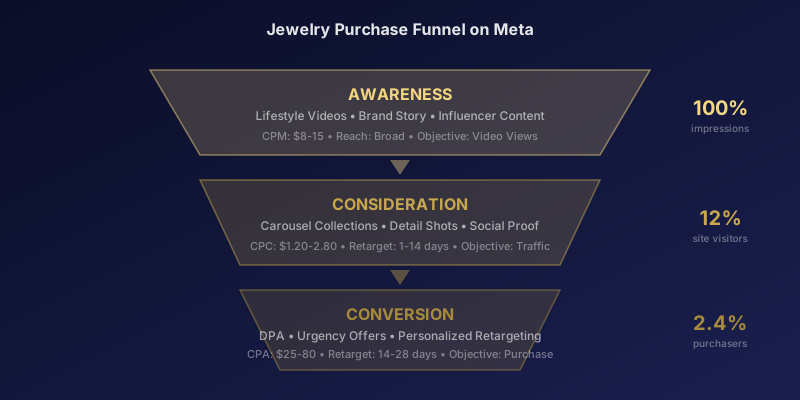
Jewelry has one of the longest consideration windows in e-commerce, averaging 14-28 days for pieces over $300. This makes retargeting not just important but essential. A structured retargeting sequence can recover 15-25% of otherwise lost prospects.
Build your retargeting funnel in three tiers. Tier one (1-3 days after visit) should show the exact product viewed with a gentle reminder. Tier two (4-10 days) should introduce social proof, reviews, and complementary pieces. Tier three (11-28 days) should offer a time-sensitive incentive or highlight a different collection to re-engage interest.
Pro tip: Use dynamic product ads (DPA) with custom creative overlays for jewelry retargeting. Adding a thin gold border, brand watermark, and pricing badge to your product catalog images can increase DPA click-through rates by 41% compared to raw product images.
Measuring Success and Scaling Jewelry Ads
Standard e-commerce metrics only tell part of the story for jewelry brands. Because of the long consideration window and high average order values, you need to evaluate performance over 28-day attribution windows rather than the default 7-day click model. Many jewelry brands undervalue their Meta ads by 30-40% when using short attribution windows.
Key metrics to track include cost per quality landing page view (not just clicks), add-to-cart rate by creative type, and assisted conversions. When scaling, increase budgets by no more than 20% every 3-4 days to avoid audience saturation. Rotate creative every 2-3 weeks, and always have 3-4 ad variations running simultaneously to combat creative fatigue.
Automation tools like Novastorm AI can handle the tedious work of monitoring creative fatigue, adjusting bids by time-of-day performance, and alerting you when campaigns need fresh creative. This lets jewelry marketers focus on what they do best: creating stunning visual content that makes people fall in love with their pieces.
Novastorm AI automates Meta Ads routine — from monitoring to optimization. Learn more at novastorm.ai
Disclaimer: This article was generated with the assistance of AI and reviewed by the NovaStorm AI team. While we strive for accuracy, we recommend verifying specific data points and consulting official sources (linked where available) for critical business decisions.
Ready to automate your Meta Ads?
NovaStorm AI takes full responsibility for your campaigns — from monitoring to optimization.
Start NowRelated Articles

AI Funnel Fingerprint Analysis for Meta Ads
Use AI-powered Meta Ads analytics to find funnel drop-offs and automate journey-specific creative for better conversions.
AI-Powered Meta Ads Lead Qualification for Sales
Learn how AI-powered Meta Ads lead qualification and conversation intelligence speed up sales handoff and improve lead quality.
AI-Powered Meta Ads Placement Exclusion Strategy
Learn how AI-powered Meta Ads placement optimization and exclusions can reduce wasted spend and improve campaign performance.