

Customer Journey Mapping for Meta Ads Optimization
Build an evidence-based journey map, distinguish interviews from recorded events and test one pricing-message change with costs and mature outcomes.
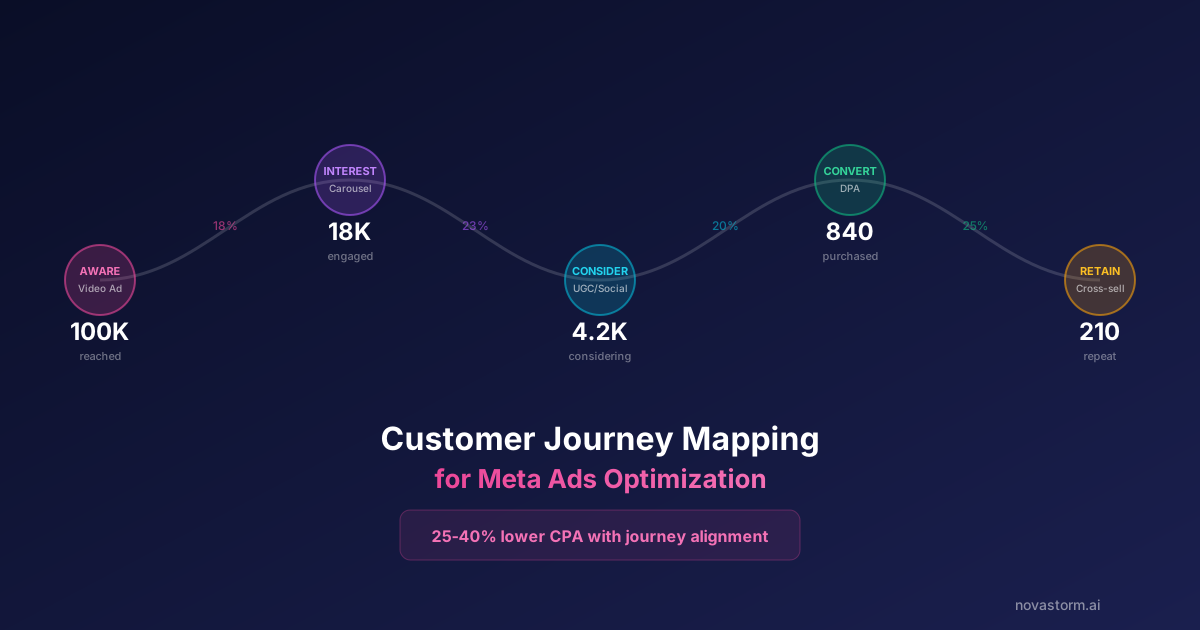
A journey map organizes the questions a prospective customer needs answered. Combine recorded interactions with interviews, and keep unknown steps visible. The map helps select a message or destination change; it does not require a campaign for every conceptual stage.
A filled evidence map
This is a hypothetical interview and event example for a project-management service, not a customer transcript or observed NovaStorm result. Interview wording below is invented teaching copy.
| Step / question | Evidence and its limits | Change candidate |
|---|---|---|
| Ad visit: is this relevant? | Tagged visit on September 1; product page viewed. Click is recorded, purchase intent is unknown. | Show the supported workflow clearly. |
| Evaluation: can my team afford it? | Hypothetical interview: “I could not tell whether every invited teammate needed a paid seat.” | Explain seat pricing before the signup CTA. |
| Trust: will it work for us? | Hypothetical recollection: “A colleague suggested it.” No corresponding event exists. | Keep referral as recalled evidence, not a recorded ad touch. |
| Return and signup | September 3 email click and signup recorded; intervening steps unknown. | Preserve source IDs and unknown steps. |
| Payment | September 17 paid invoice in billing ledger; one customer ID. | Reconcile the paid outcome independently of platform credit. |
Store interview consent, date and anonymized notes separately from the event ledger. Do not insert a colleague recommendation into a click path or assert an unseen ad impression. A single journey is a useful question generator, not a representative estimate of all buyers.
Choose one change with an owner and cost
Proposed hypothesis: clearer seat pricing reduces uncertainty for teams evaluating the service. Hypothetical change: replace a vague price badge with “$20 per paid seat per month; invited teammates need a seat to use the workspace.” This copy is usable only for a product whose actual billing matches it. Include cancellation, tax and plan conditions as applicable.
| Work item | Owner | Hypothetical allowance | Acceptance check |
|---|---|---|---|
| Confirm seat and billing rules | Product owner | $0 incremental; normal review time | Copy matches actual billing behavior. |
| Update pricing explanation and ad message | Designer and marketer | $200 combined time cost | Mobile page and ad answer the same question. |
| Compare current and clearer page | Analyst | $1,000 total media ceiling | Stable allocation; one declared primary paid outcome. |
Stop wasting ad budget
NovaStorm AI cuts Meta Ads CPA by 30% on average. No complex setup required.
The change is a destination and message test, not an instruction to split the account into awareness, consideration and conversion campaigns. Check eligible traffic, outcome volume and team capacity before adding delivery structures.
Measure a mature business outcome
For a hypothetical test, assign eligible visitors consistently to current or clearer pricing. Prespecify paid activation within 30 days, retained contribution per eligible visitor, exposure dates, the refund window and a maximum tolerable loss. Report assigned visitors, paid customers and spending for both arms. Read the result after the outcome window matures; early signup counts cannot establish paid improvement.
- Keep other pricing, offers and sales follow-up comparable across arms.
- Check missing events, cross-arm contamination and consent-related measurement gaps.
- Calculate contribution after media and implementation costs, and report uncertainty. If sample volume is insufficient, keep the hypothesis unresolved.
- Retain the original evidence and compare new interviews with the previous question, without claiming that every buyer follows this route.
Different systems can assign different credit to the same order. Use the attribution reconciliation guide and GA4 attribution settings to document the reporting basis. Attribution settings do not turn an interview map into a causal experiment.
Translate the selected hypothesis into a NovaStorm message brief and campaign draft. Have the product owner approve offer wording and review the saved destination, budget and campaign fields before publication.
Published by NovaStorm AI. Worked examples and proposed tests are labeled in the article.
Disclaimer: This article was generated with the assistance of AI and reviewed by the NovaStorm AI team. While we strive for accuracy, we recommend verifying specific data points and consulting official sources (linked where available) for critical business decisions.
Ready to automate your Meta Ads?
NovaStorm AI takes full responsibility for your campaigns — from monitoring to optimization.
Start NowMore on Metrics and reporting
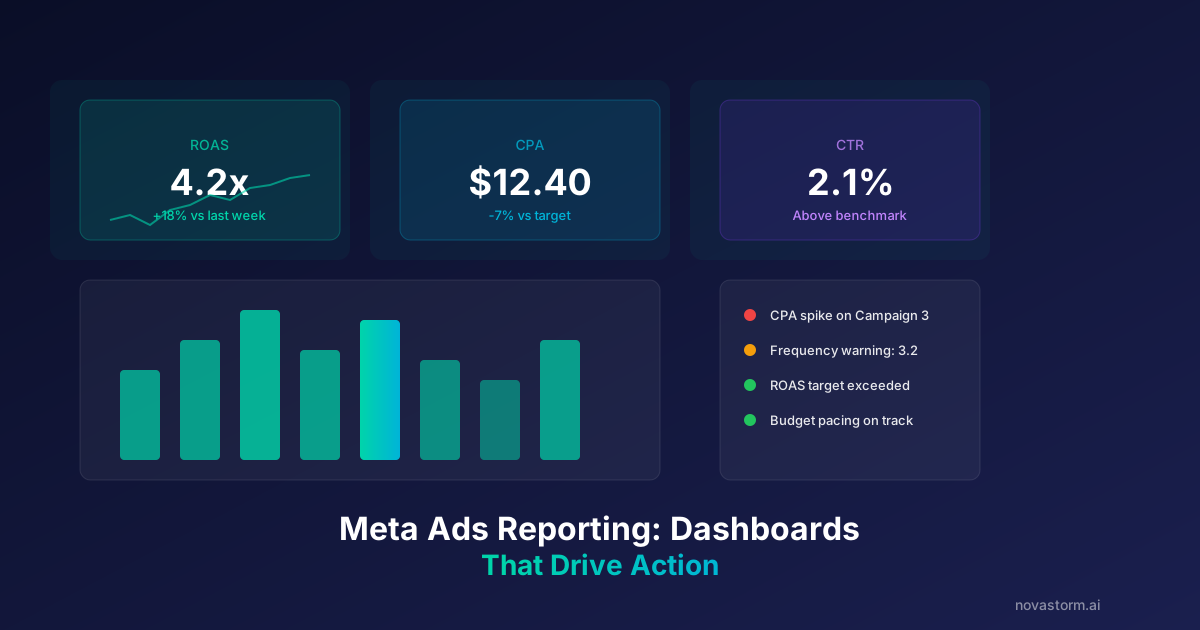
Meta Ads Reporting: Building Dashboards That Drive Action
Build a dated reporting dashboard with explicit gaps, reconciliation cards, owners, approval records and completed-decision reviews.
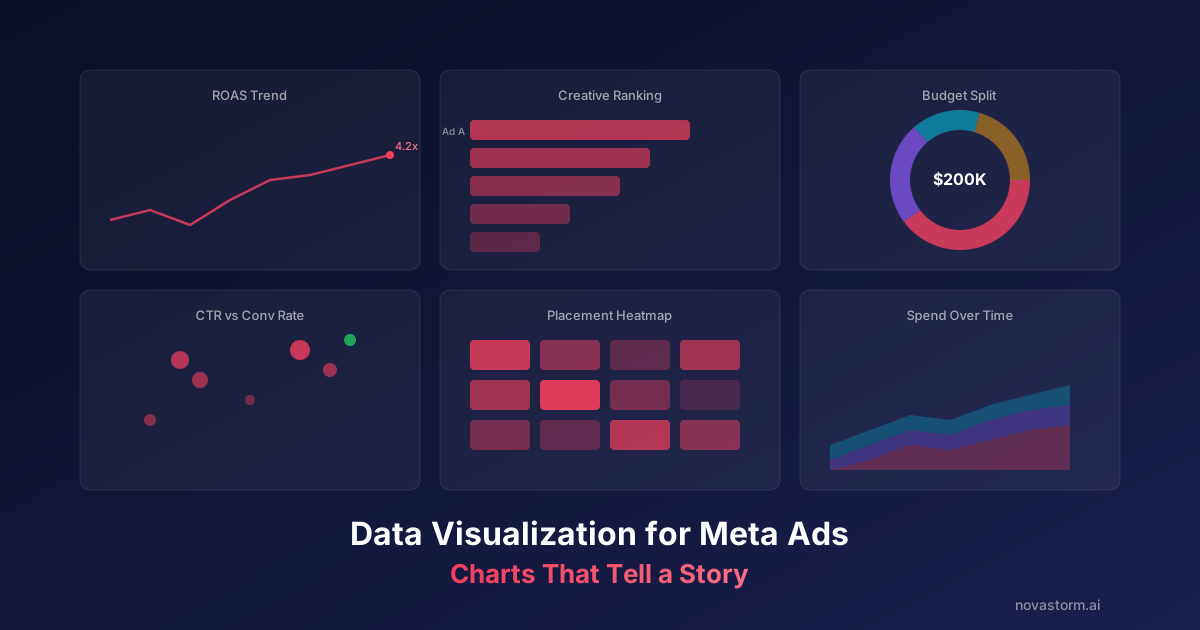
Data Visualization for Meta Ads: Charts That Tell a Story
Verify Meta reporting charts with source rows, weighted CPA, join checks and accessible labels before drawing conclusions from a visual.

North Star Metric for Meta Ads: Choosing the Right Optimization Goal
Choose a business success metric and a timely observable optimization signal, then validate their relationship with guardrails and mature cohorts.
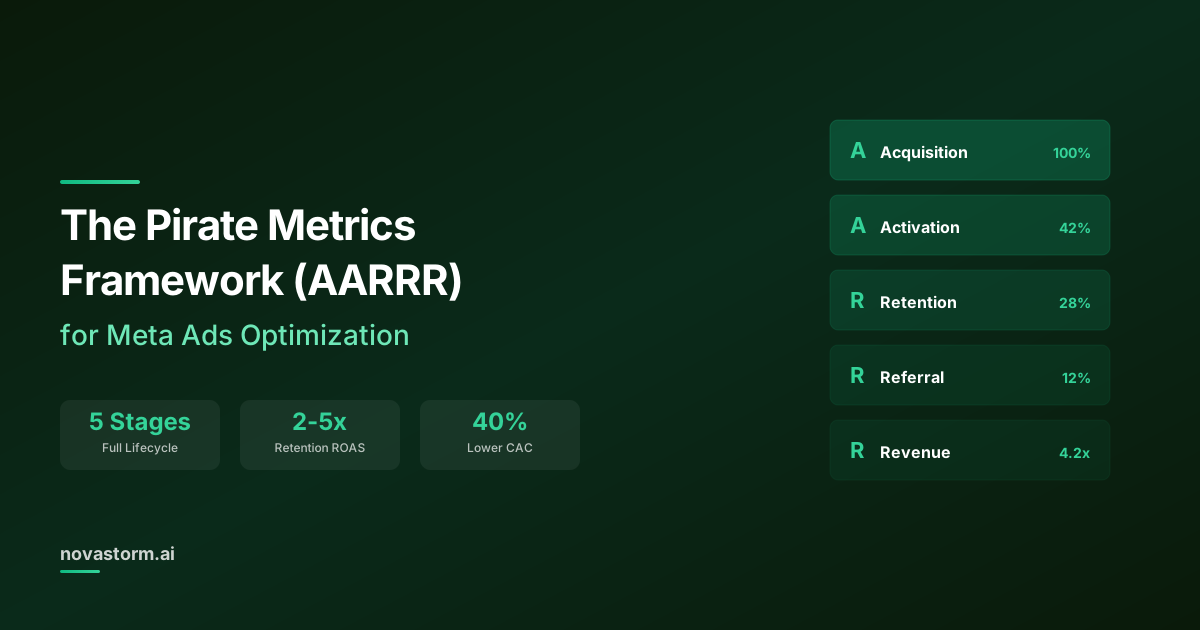
The Pirate Metrics Framework (AARRR) for Meta Ads Optimization
Use AARRR to define acquisition, activation, retention, referral and revenue measures, then prioritize evidence-backed constraints rather than the smallest rate.